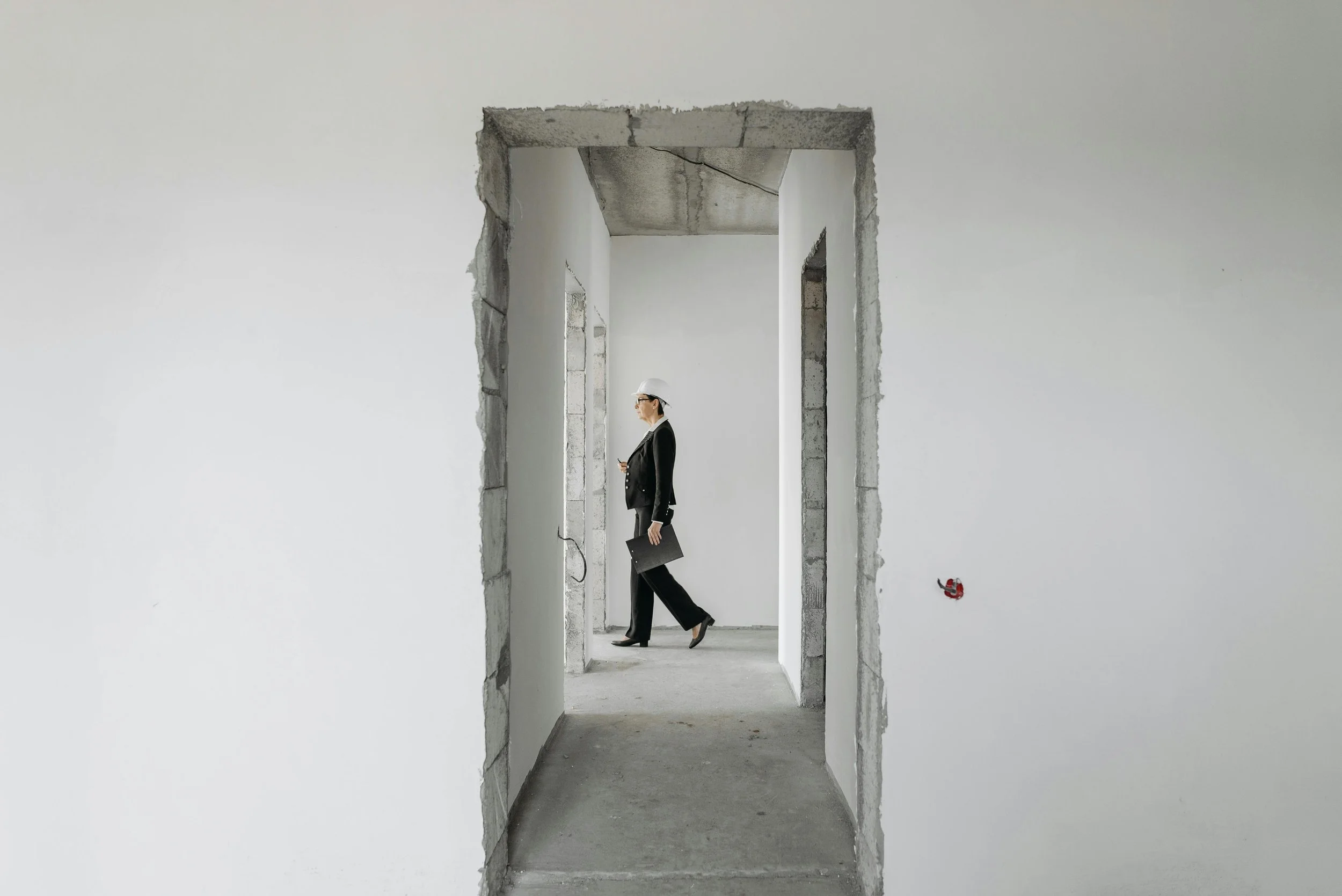
Why Homeowners End Up Being the Project Manager
Most homeowners don’t realize they’ve taken on a second job.
It happens quietly.
One call turns into three. One quote turns into follow-ups. One “simple fix” turns into coordination, scheduling, and decision-making.
Before long, you’re managing the project—without asking to.
How It Starts
You notice a problem.
You call a provider. They’re busy.
You call another. They need more info.
A third asks for photos.
Now you’re tracking:
Who called back
Who didn’t
Who’s available
Who needs what next
None of this is the repair. All of it is work.
The Part No One Prepares You For
Once you get someone on the calendar, the mental load doesn’t stop.
You’re still responsible for:
Clarifying the scope
Confirming timelines
Coordinating access
Managing expectations
Following up when things stall
If something goes wrong, you’re the escalation point.
Not because you want to be—but because there’s no system that owns the process.
Why This Feels So Draining
The issue isn’t effort. It’s attention.
Home repairs demand constant, low-level monitoring:
Waiting for replies
Wondering what’s next
Making decisions without full context
That background stress adds up.
It pulls focus from work, family, and everything else that actually matters.
Why Platforms Don’t Solve This
Most home services platforms stop at the introduction.
They help you find people. They don’t help you manage the process.
After the match is made, you’re on your own—left to coordinate across texts, calls, emails, and voicemails.
The burden stays with you.
What Removing the Mental Load Looks Like
Relief doesn’t come from more options.
It comes from ownership.
Knowing:
Who should be involved
What happens next
When decisions are required
When you can stop thinking about it
When the process is structured, the stress drops automatically.
Why This Matters
Homeowners don’t need to be project managers.
They need clarity.
They need context.
They need fewer decisions—not more.
That’s what removing the mental load actually means.
And it’s what Portyr is designed to do.
Time back. Money saved. Peace restored.